Put Blip Party on the TV: the host can now sit out
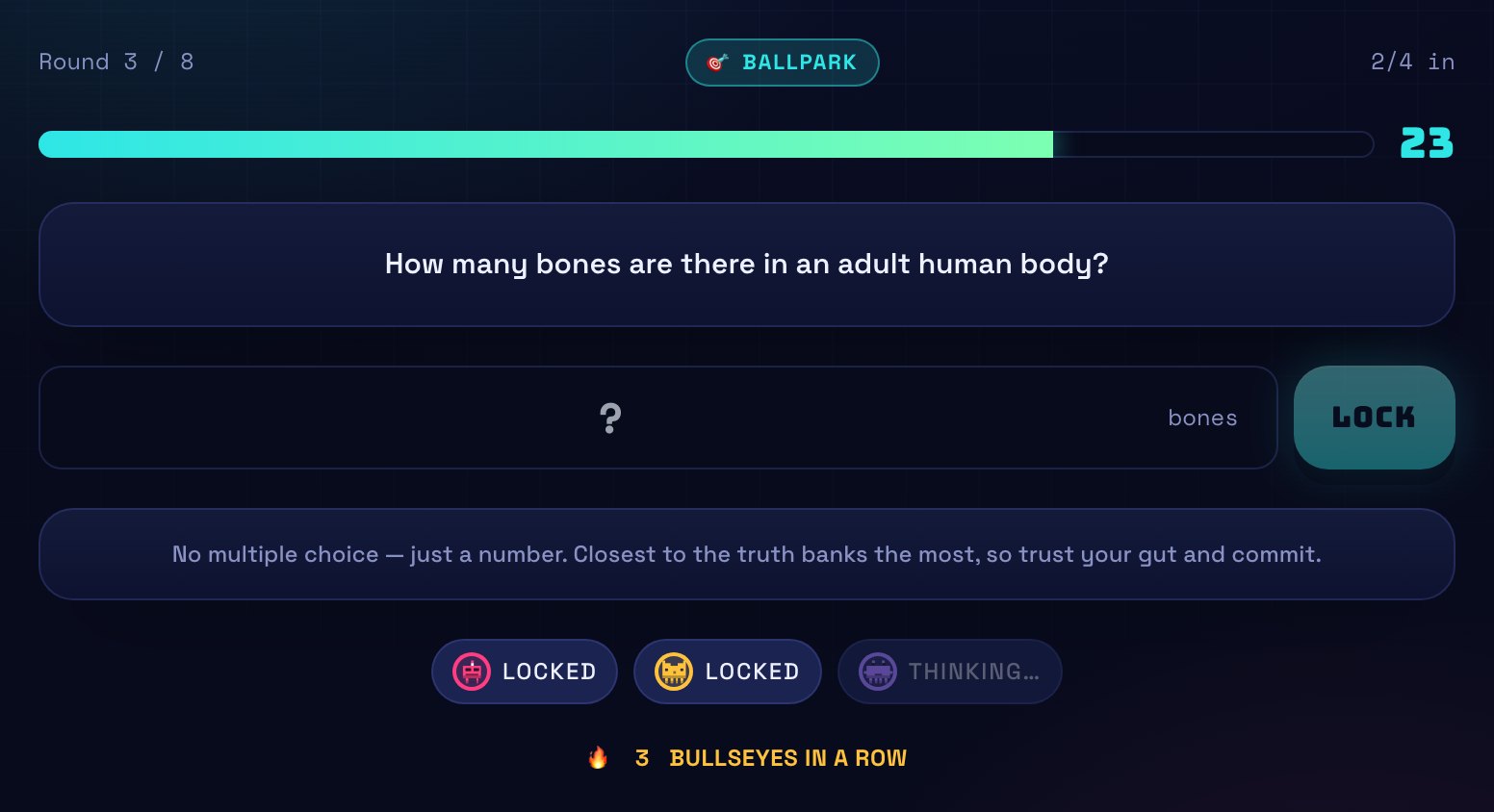
Blip Party has always assumed the host is also a player: you start the room, you get a seat, you answer along with everyone else on the same phone you are hosting from.
That is the right default for four people on a sofa. It is the wrong one for the other setup — one screen everybody is looking at, and a room full of phones. So there is now a checkbox in the lobby: "I'm just hosting". Tick it and you take no seat at all. Your screen becomes the TV.
What that actually gets you
Two things, and the second is the one people ask for.
- A screen the whole room can read. The prompt, the clock and the round number sit on the big screen instead of being duplicated across five phones at five different scroll positions.
- Your seat back. Rooms cap at eight players (six for the chain games), and the cap counts seats rather than people — so a host who is not playing hands their seat to somebody who is. Eight players plus you on the TV is nine people in the room.
You still run everything. The Next button, the reveal, the scoreboard and the game-over screen all render for you exactly as before — you are the room's timekeeper, just not one of its contestants. And it survives a refresh: reload mid-game and you come back to the same screen, still without a seat.
What the room sees on it
Every game gives you the countdown and the round counter — those are true of any round and cannot misstate anything. 19 of the 60 go further and put their actual prompt and answer tiles on the big screen: Quiz Hero, Hot Take, Fibber, Ballpark and the rest of the read-a-prompt-and-pick games.
Three have a proper spectator screen built for them, because watching them is the point. Doodle Dash draws the picture stroke by stroke while the room shouts guesses at their phones. Jigsaw mirrors the shared board live, including everyone else's pieces mid-drag. Forgery shows the paintings going up, then the hunt for the fake.
The rest show a plain card: the clock, and how many people have locked in. That is deliberate, and worth explaining, because it looks like something half-finished.
The things it refuses to show
A host screen is read by the whole room at once, which makes it the one screen in the game where showing too much is a real failure rather than a cosmetic one. Several games hold something back on purpose: Rebus draws its options as pictures precisely so nobody reads the words, Glitch never prints the picture's name, Flashback hides the prompt for the seconds you are meant to be memorising it.
Put any of those raw on the TV and you have handed the room the answer, with nothing visibly broken to warn you. So no game reaches the big screen until it has been checked, one at a time. The default is to show nothing game-specific, and those 19 are the ones that have earned it.
The same caution governs the little row of avatars showing who has locked in. It looks harmless. But in Cabal the night phase registers exactly one person as having acted — the traitor — so that row would quietly name the killer to the room. It only draws on stages where every seat acts, in public.
Two things to be upfront about
Most games still show the generic watching card rather than their own play screen. That is a list to work through, not a design position, and the games that reward watching get theirs first.
And it is lobby-only: you choose before the game starts, not during. That is a server rule rather than a UI one — flipping it mid-round would add or remove a player under an engine that has already dealt the roles and sized the round.
Try it
Start a room on whatever is plugged into the TV — a laptop, a spare tablet, the console browser — tick "I'm just hosting", and let people read the four-letter code off the screen instead of hearing it shouted. Everyone else plays exactly as they did before.
Free, no app and no sign-up to join — players hop in with a 4-letter code on their own phone.
It works in all 60 games — browse the guides — and when there is nobody around at all, the daily puzzles need no room.